
 15 Topics
 5 Days
 75 Sessions
Programme Overview
Training Description
- Drilling Engineers
- Petroleum Engineers
- Completion Engineers
- Production Engineers
- Well Intervention Engineers
- Directional Drilling Engineers
- Drilling Supervisors
- Wellsite Supervisors
- Drilling and Completion Specialists
- MWD/LWD Engineers and Technicians
- Wireline and Logging Professionals
- Well Integrity Engineers
Session Objectives
- Utilize measurement while drilling (MWD) and logging while drilling (LWD) systems. Implement advanced completion equipment and technologies. Design and build robust well intervention strategies. Optimize downhole tool performance and maintenance. Troubleshoot and address common challenges in downhole operations. Implement regulatory compliance and safety standards. Integrate downhole tools with drilling and completion programs. Understand how to manage large-scale downhole technology projects.
About the Course
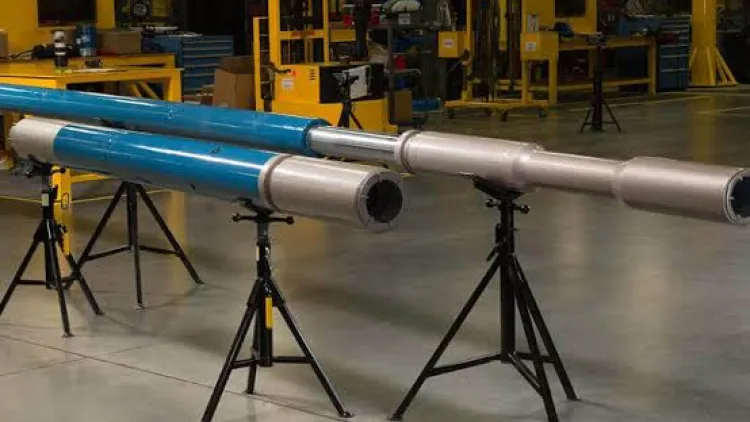
This specialized training course provides participants with a comprehensive understanding of downhole tools, equipment, and technologies used in drilling, well completion, intervention, and production operations. It focuses on the principles, applications, selection, operation, monitoring, and optimization of modern downhole systems.Participants will examine a wide range of technologies, including bottom-hole assemblies (BHAs), drill bits, downhole motors, measurement-while-drilling (MWD), logging-while-drilling (LWD), rotary steerable systems, drilling jars, stabilizers, reamers, wireline tools, completion equipment, and well intervention technologies.Through practical exercises, technical case studies, and operational scenarios, participants will learn how to select appropriate tools, evaluate tool performance, identify common downhole problems, troubleshoot equipment failures, and apply best practices to improve wellbore quality, drilling efficiency, operational safety, and overall well performance.
Curriculum & Topics
15 Topics | 75 Sessions
-
 Workshop 1.1:
Fundamentals of downhole tools and technologies.
Workshop 1.1:
Fundamentals of downhole tools and technologies.
-
Workshop 1.2:
Overview of downhole tools and applications.
-
Workshop 1.3:
Setting up a downhole tools utilization framework.
-
Workshop 1.4:
Introduction to downhole tool equipment and systems.
-
Workshop 1.5:
Best practices for downhole tools.
-
Workshop 2.1:
Mastering directional drilling tools and techniques.
-
Workshop 2.2:
Utilizing rotary steerable systems (RSS).
-
Workshop 2.3:
Implementing mud motors and directional assemblies.
-
Workshop 2.4:
Designing and building directional drilling plans.
-
Workshop 2.5:
Best practices for directional drilling.
-
Workshop 3.1:
Utilizing measurement while drilling (MWD) and logging while drilling (LWD) systems.
-
Workshop 3.2:
Implementing real-time data acquisition and analysis.
-
Workshop 3.3:
Utilizing gamma ray, resistivity, and sonic logs.
-
Workshop 3.4:
Designing and building MWD/LWD programs.
-
Workshop 3.5:
Best practices for MWD/LWD.
-
Workshop 4.1:
Implementing advanced completion equipment and technologies.
-
Workshop 4.2:
Utilizing intelligent well completions and packers.
-
Workshop 4.3:
Designing and building completion designs.
-
Workshop 4.4:
Best practices for completions.
-
Workshop 4.5:
Implementing expandable tubulars and screens.
-
Workshop 5.1:
Designing and build robust well intervention strategies.
-
Workshop 5.2:
Utilizing coiled tubing and wireline operations.
-
Workshop 5.3:
Implementing hydraulic fracturing and stimulation tools.
-
Workshop 5.4:
Designing and building intervention programs.
-
Workshop 5.5:
Best practices for intervention.
-
Workshop 6.1:
Optimizing downhole tool performance and maintenance.
-
Workshop 6.2:
Utilizing failure analysis and root cause analysis.
-
Workshop 6.3:
Implementing preventive maintenance and inspection.
-
Workshop 6.4:
Designing and building maintenance plans.
-
Workshop 6.5:
Best practices for tool maintenance.
-
Workshop 7.1:
Troubleshooting and addressing common challenges in downhole operations.
-
Workshop 7.2:
Analyzing tool performance and operational issues.
-
Workshop 7.3:
Utilizing problem-solving techniques for resolution.
-
Workshop 7.4:
Resolving common tool failures and errors.
-
Workshop 7.5:
Best practices for troubleshooting.
-
Workshop 8.1:
Implementing regulatory compliance and safety standards.
-
Workshop 8.2:
Utilizing API and other industry standards.
-
Workshop 8.3:
Implementing safety management systems and audits.
-
Workshop 8.4:
Designing and building compliance programs.
-
Workshop 8.5:
Best practices for compliance.
-
Workshop 9.1:
Integrating downhole tools with drilling and completion programs.
-
Workshop 9.2:
Utilizing real-time data integration and analysis.
-
Workshop 9.3:
Implementing downhole tools in well planning and design.
-
Workshop 9.4:
Designing and building integrated tool systems.
-
Workshop 9.5:
Best practices for integration.
-
Workshop 10.1:
Understanding how to manage large-scale downhole technology projects.
-
Workshop 10.2:
Utilizing project management tools and techniques.
-
Workshop 10.3:
Implementing program evaluation and reporting.
-
Workshop 10.4:
Designing scalable tool solutions.
-
Workshop 10.5:
Best practices for project management.
-
Workshop 11.1:
Exploring emerging technologies in downhole tools (automated drilling, smart completions).
-
Workshop 11.2:
Utilizing automated drilling systems and robotics.
-
Workshop 11.3:
Implementing smart completions and remote operations.
-
Workshop 11.4:
Designing and building advanced downhole systems.
-
Workshop 11.5:
Optimizing advanced applications for specific use cases.
-
Workshop 11.6:
Best practices for advanced applications.
-
Workshop 12.1:
Applying real world use cases for downhole tools in various well operations.
-
Workshop 12.2:
Utilizing downhole tools in deepwater drilling.
-
Workshop 12.3:
Implementing downhole tools in unconventional reservoirs.
-
Workshop 12.4:
Best practices for real-world applications.
-
Workshop 12.5:
Utilizing downhole tools in extended reach drilling.
-
Workshop 13.1:
Leveraging downhole tools and frameworks for efficient implementation.
-
Workshop 13.2:
Utilizing downhole tool simulation software and databases.
-
Workshop 13.3:
Implementing data analysis and monitoring tools.
-
Workshop 13.4:
Designing and building automated tool workflows.
-
Workshop 13.5:
Best practices for tool implementation.
-
Workshop 14.1:
Implementing downhole tool project monitoring and metrics.
-
Workshop 14.2:
Utilizing tool performance indicators and KPIs.
-
Workshop 14.3:
Designing and building monitoring systems for tool projects.
-
Workshop 14.4:
Optimizing monitoring for real-time insights.
-
Workshop 14.5:
Best practices for monitoring.
-
Workshop 15.1:
Emerging trends in downhole tool technologies and applications.
-
Workshop 15.2:
Utilizing digital twins for downhole tool simulation.
-
Workshop 15.3:
Implementing AI and machine learning for tool optimization.
-
Workshop 15.4:
Best practices for future downhole tool management.